Culvert Installation in Mayville for properties losing driveway access after seasonal runoff
R & J Excavating installs culverts under driveways and access roads where water repeatedly washes out gravel or pools across the surface during heavy rain. You notice the problem when you slow down to avoid deep ruts or when the road edge starts eroding toward your property line. In Mayville and the surrounding rural areas, seasonal runoff moves fast across open land, and without a properly sized culvert, the water has nowhere to go except over and through your driveway.
The work begins with evaluating the site to determine the volume of water moving through during peak flow and selecting a culvert diameter and material that can handle it without clogging or backing up. The existing driveway surface is removed in the affected area, a trench is dug to the required depth and slope, and the culvert pipe is positioned to direct water underneath the road and away from structures. Once the pipe is placed and backfilled with compacted stone and soil, the driveway surface is restored with gravel or other material that matches the surrounding grade.
If your driveway floods after every storm or the road base keeps washing away, a site visit can confirm whether a culvert will solve the issue and what size fits your drainage conditions.
What Happens During a Culvert Install
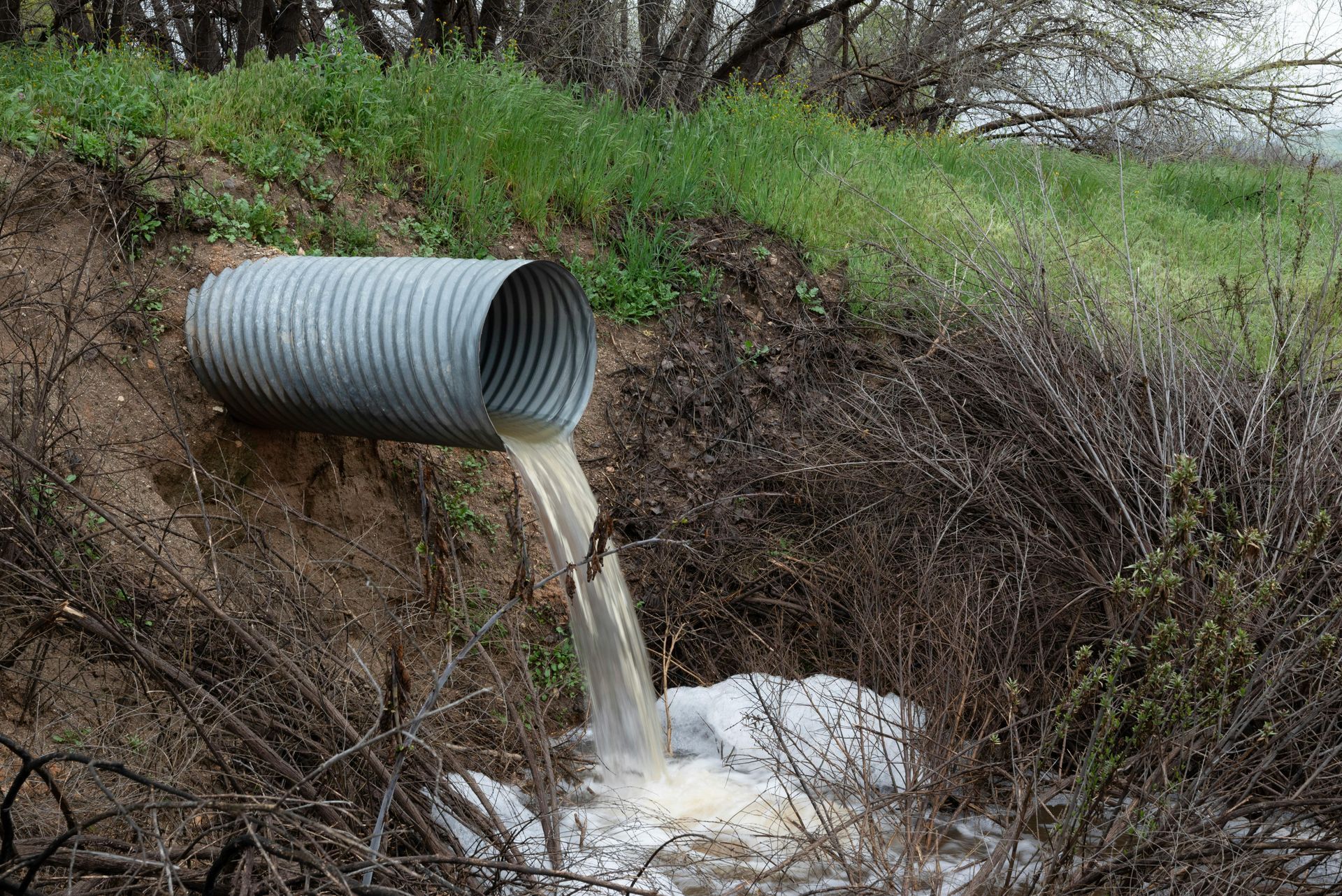
You will see equipment on site to excavate the trench, position the pipe, and restore the road surface once the culvert is bedded in place. The pipe is set at a grade that keeps water moving through without ponding at the inlet or eroding the outlet. Backfill material is placed in layers and compacted to prevent settling under the weight of vehicles.
After R & J Excavating completes the installation, water flows beneath the driveway instead of over it. You drive across the surface without hitting standing water or soft spots, and the edges of the road stay intact through wet seasons. The culvert remains functional as long as the inlet and outlet are kept clear of debris and sediment.
Sizing is based on observed flow during heavy rain and the slope of the surrounding terrain. If the property includes multiple low spots or connects to a larger drainage system, more than one culvert may be required. The work does not include paving or permanent surface treatments unless specifically arranged in advance.
Questions About Culvert Work in Mayville
These are the questions that come up most often when property owners are dealing with driveway washouts or planning road access for rural land.
How do you know what size culvert is needed?
The size depends on how much water moves through the area during peak flow and the slope of the land on both sides of the driveway. A site visit allows the crew to measure the drainage pattern and recommend a diameter that will not back up or overflow.
What happens if the culvert gets blocked?
Debris like leaves, sediment, and branches can clog the inlet or outlet over time. Regular clearing keeps water moving through and prevents pressure from building up under the road surface.
Can a culvert be installed under an existing driveway?
Yes, the driveway surface is removed in the section where the culvert will be placed, the trench is dug, the pipe is installed, and the surface is rebuilt with compacted material once the culvert is secure.
Why does water still pool after a culvert is installed?
Pooling can occur if the inlet is too high relative to the surrounding grade, if the pipe is not sloped correctly, or if sediment has partially blocked the flow. Adjusting the grade or clearing the pipe typically resolves the issue.
How long does installation take?
Most residential culvert installs in Mayville are completed in one to two days, depending on access, soil conditions, and the length of pipe required.
R & J Excavating works with property owners throughout Mayville and surrounding communities to restore safe driveway access and prevent recurring erosion. If runoff is damaging your road or making access difficult, call (989) 239-7999 to schedule an evaluation.